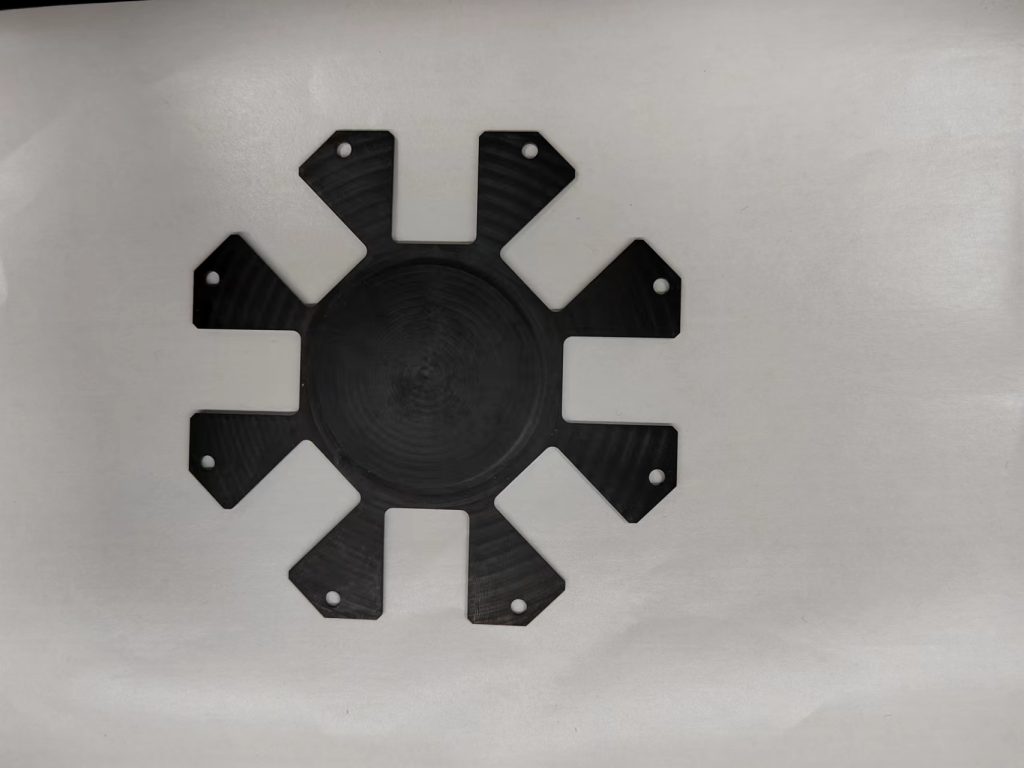
Can plastics replace metal? How strong is peek, really?
PEEK(Polyether Ether Ketone) is a semi-crystalline, high-performance thermoplastic engineering plastic that belongs to the polyaryletherketone (PAEK) family. Owing to its unique molecular structure-featuring an alternating arrangement of aromatic rings, ether structure-featuring an alternating arrangement of aromatic rings, ether linkages, and ketone groups-PEEK combines high strength, excellent heat resistance, outstanding chemical resistance, and superior dimensional stability. As a result, it is widely regarded as an engineering material capable of partially replacing metals in demanding applications.
Core performance advantages of peek material
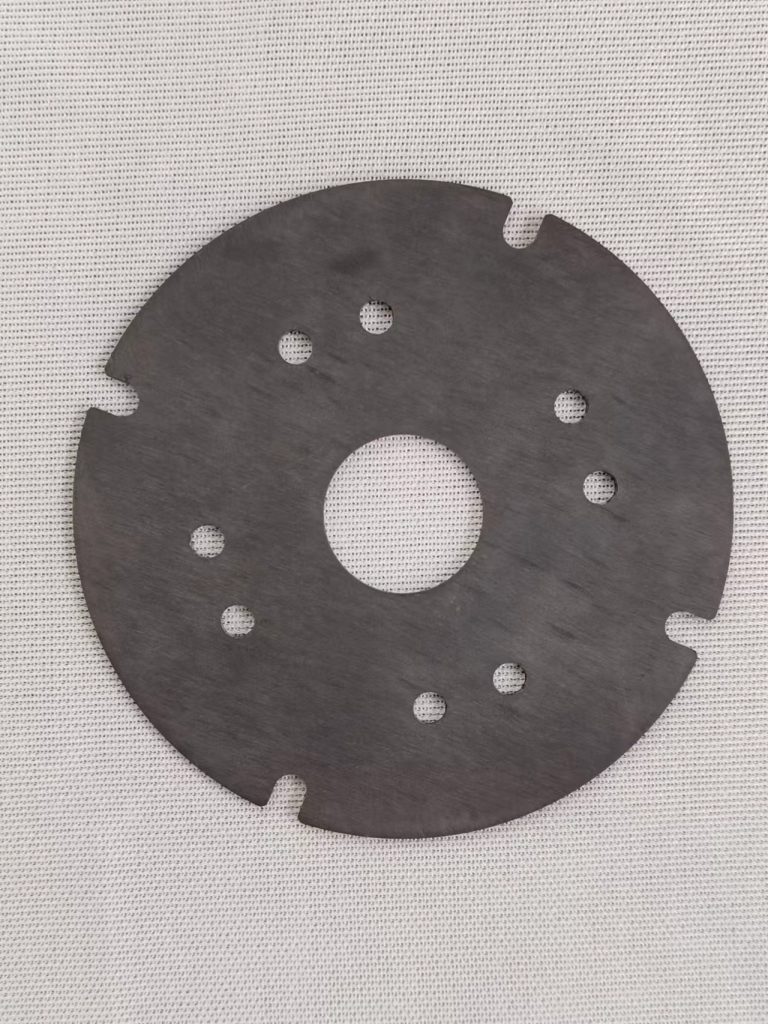
Excellent high-temperature resistance
PEEK can operate continuously at around 250℃,maintaining it mechanical strength and dimensional stability even under long-term heat exposure. Compared with conventional engineering plastic, it shows far superior thermal stability in harsh evironments.
Outstanding mechanical strength and rigidity
PEEK offers metal-like strength while retaining the lightweight nature of plastics.it performs reliably under high loads and long-term stress with minimal deformation or creep.
A low friction coefficient and excellent self-lubricating characteristics.
PEEK can operate smoothly even under limited or no lubrication, making it ideal for precision moving components.
Strong chemical resistance
PEEK is highly resistant to most acids, alkalis, and organic solvents. It maintains stability in aggressive chemical environments such as chemical processing, medical, and semiconductor industries.
Excellent dimensional stability
With very low water absorption, PEEK maintains stable dimensions even in humid or variable environmental conditions. This makes it suitable for high-precision machined parts.
High fatigue resistance
PEEK can withstand repeated cyclic loading without significant performance degradation or fatigue failure, making it suitable for long-term dynamic applications.
Excellent electrical properties
PEEK exhibits outstanding electrical performance, featuring excellent insulation capabilities and reliable dielectric behavior.it maintains stable electrical properties even at elevated temperatures, making it highly suitable for demanding environments. As a result, it is widely used in electronic and electrical insulating components such as connectors and high-performance structural parts.
Typical Application Areas of PEEK
Aerospace
· Lightweight structural components
· High-temperature and pressure-resistant parts
· Cable insulation and connection components
Medical industry
- Orthopedic implants (spinal fusion cages, joint replacement components)
- Surgical instruments
- Medical guiding devices
- Advantage:
- Excellent biocompatibility
- Good X-ray transparency (facilitates medical imaging)
- High long-term stability
Semiconductor and Electronics Industry
- Wafer fixtures
- Wet process components
- High-purity corrosion-resistant parts
Features:
- Non-contaminating
- No ion leaching
- Suitable for high-cleanliness requirements
Automotive industry
- Transmission components
- Bearing cages
- Sealing rings
- High-temperature sensor brackets
Advantages:
Lightweight, heat-resistant, and wear-resistant
Machining Characteristics of peek
Although PEEK offers excellent overall performance, it has relatively high machining requirements.
Significant Thermal sensitivity
• Heat tends to build up easily during cutting
• Excessive local temperature may cause surface whitening or melting
Proper control of spindle speed and feed rate is required
Stress relief issues
Residual stresses within the material may cause deformation
Precision components require staged machining or annealing to relieve stress
High tooling requirements
Sharp cutting tools are essential(diamond-coated or high-quality carbide tools are typically recommended)
Excessive localized temperature can cause surface whitening or melting.
Prone to Built-up Edge(Tool Adhesion)
Material may adhere to the tool due to frictional heat
Affects surface quality and dimensional accuracy
Cooling control is critical
Air cooling or minimum quantity lubrication(MQL) is typically applied
Avoid excessive cooling, as it may cause stress variations
Common modified types of PEEK
To meet different industrial requirements,common modified versions of PEEK include:
CF -PEEK(carbon fiber reinforced):higher stiffness and improved creep resistance
GF-PEEK(Class Fiber reinforced):Enhanced strength and dimensional stability
PTFE-Filled PEEK: Compliant with biomedical standards
Methods for removing microscopic Burrs after PEEK machining
After precision machining, PEEK components often develop micro-burrs at edges and hole features that are difficult to detect with the naked eye. Although subtle, these burrs can affect assembly accuracy, sealing performance, and service life, and therefore must be properly controlled and removed through appropriate processes.
Common manual deburring methods
Micro-burrs can be gently removed using soft nylon brushes, ultra-fine sandpaper (1000 grit), or with polishing compounds, without damaging the base material.
Vibratory Deburring(suitable for batch processing)
Uses soft abrasive media(such as plastic media or corn cob media) for low-intensity vibratory finishing.
Dry ice Deburring(high-end process)
Use dry ice impact and low-temperature embrittlement to remove burrs.
Ultrasonic cleaning(Auxiliary process)
Mainly used to remove residual particles or already loosened micro-burrs.
Microscopic burrs in PEEK originate from the material’s toughness and micro-scale tensile deformation during the cutting process, Therefore, it is necessary to combine front-end process optimization with gentle post-processing deburring methods.
PEEK is a high-performance material that combines metal-like mechanical strength with the lightweight advantages of plastics.it maintains stable performance in extreme temperature, strong corrosion, high-precision, and high-reliability environments, making it an important material foundation in modern high-end manufacturing.